Frequently Asked Questions (FAQ) – BIM vs CAD Differences
What is the main difference between BIM and CAD?
The main difference is that CAD focuses on 2D drafting or 3D geometry, while BIM is a data-driven workflow that includes intelligent objects, collaboration tools, and construction lifecycle information.
Which is better to learn – BIM or CAD?
BIM is better to learn if you're planning a long-term career in architecture, civil engineering, or construction. While CAD is still used for simple tasks, BIM skills are in higher demand and required for most large-scale projects.
Can I learn BIM without learning CAD first?
Yes, you can directly learn BIM tools like Revit or Navisworks. However, having a basic understanding of CAD helps in understanding technical drawings and project documentation.
Is BIM replacing CAD in the construction industry?
Yes, in many large infrastructure and building projects, BIM is replacing CAD due to its better collaboration, coordination, and error reduction capabilities. CAD still plays a role in detailed fabrication and 2D documentation.
What are the top software tools used in CAD and BIM?
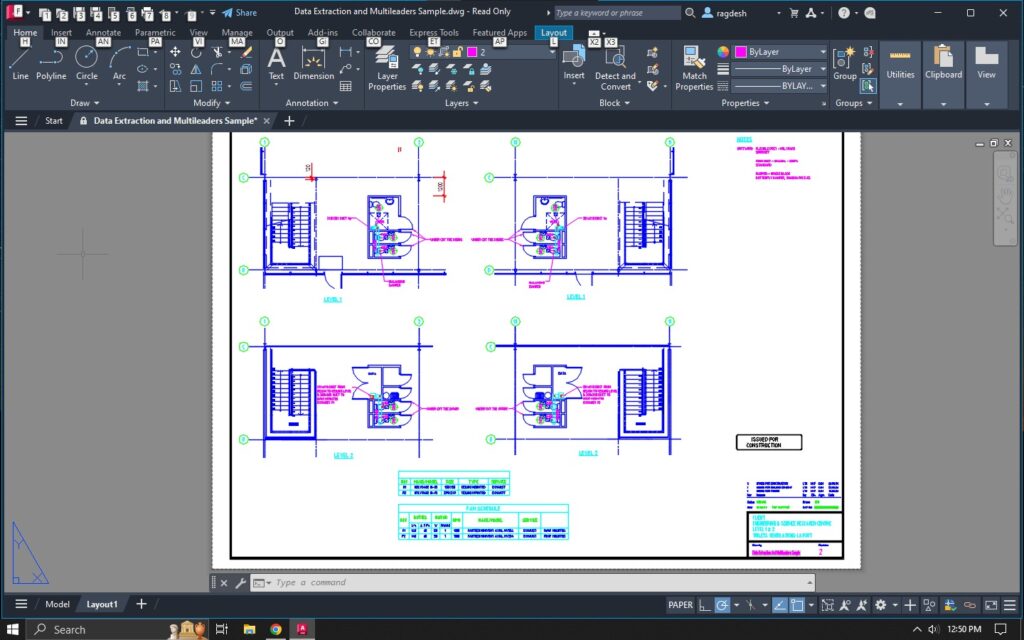
Popular CAD tools include AutoCAD, DraftSight, and MicroStation. Leading BIM tools include Autodesk Revit, Navisworks, Archicad, and BIM 360.
What are the job roles available after learning BIM?
After learning BIM, you can apply for roles such as BIM Modeler, BIM Coordinator, BIM Manager, Revit Technician, and Project Engineer. These roles are in high demand across architecture, engineering, and construction industries.
Is BIM useful for architects and civil engineers?
Absolutely. BIM is essential for architects, civil engineers, and MEP professionals as it allows for integrated project planning, clash detection, quantity takeoff, and better design coordination.
Where can I learn BIM for architecture and civil engineering?
You can join the
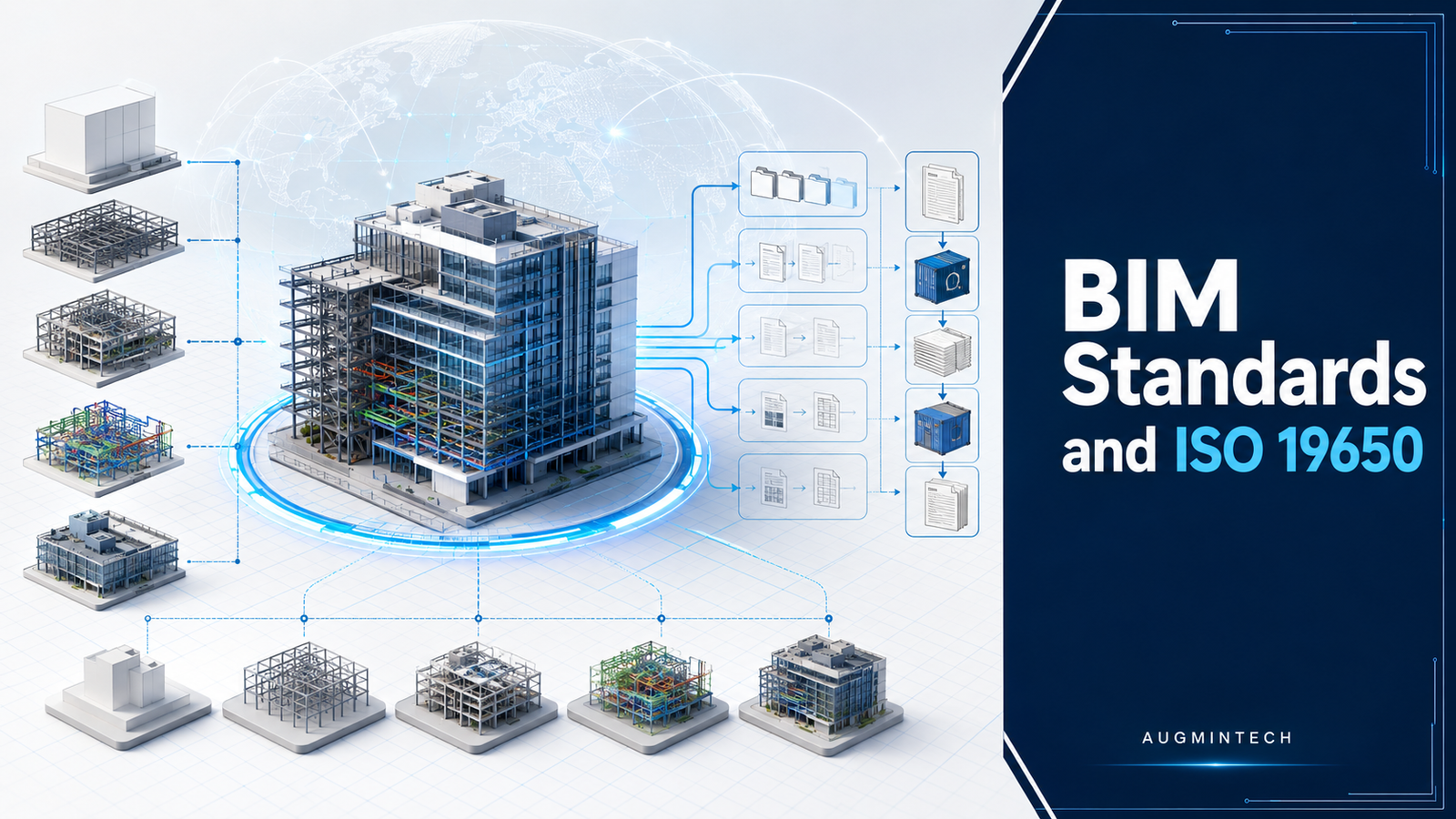
PG Program in BIM by Augmintech, which includes training in Revit, Navisworks, Dynamo, and real-world AEC projects aligned with ISO 19650 standards.